
When choosing a yoga mat, comfort, grip, and durability are often top of mind. Recently, mesh rubber yoga mats have emerged as an attractive option for practitioners who want a balance of breathability, traction, and resilience. Combining natural or synthetic rubber bases with a mesh-like surface or layered mesh construction, these mats address common issues—sweat, slipping, and wear—without sacrificing cushioning or eco-conscious materials.
What makes mesh rubber mats different?
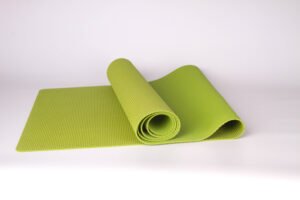
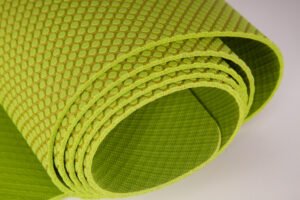
Traditional rubber mats provide excellent grip and cushioning but can trap heat and moisture, making sweaty practices uncomfortable. Mesh rubber mats incorporate a perforated or woven surface texture that improves airflow and facilitates faster drying. This mesh layer may be integrated into the rubber itself or applied as a breathable top layer bonded to a dense rubber core. The result is a mat that maintains the supportive, anti-slip qualities of rubber while mitigating the clammy feel that can develop during vigorous flows or hot yoga.
Comfort and performance
A well-constructed mesh rubber mat preserves the shock-absorbing properties that protect joints during poses like Downward Dog, Warrior II, or kneeling balances. The rubber base typically offers medium-to-high density cushioning: enough to support wrists, knees, and hips, yet firm enough to maintain stability during standing sequences. The breathable mesh surface prevents the mat from becoming saturated with sweat, which helps maintain consistent friction between skin and mat and reduces the risk of slipping mid-pose.
Grip and traction
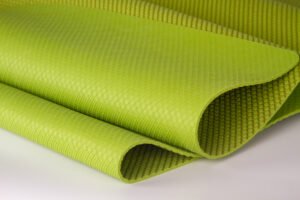
One of the standout benefits of rubber is its natural tackiness, and mesh rubber mats enhance that feature. The textured mesh surface increases contact points with hands and feet, improving grip even when moisture is present. Many mesh rubber mats also have anti-skid backing to keep the mat securely in place on studio floors or hardwood. For practitioners who practice barefoot or with minimal shoes, this combination of mesh texture and rubber composition offers reliable traction for both slow, restorative classes and fast-paced, sweaty vinyasa sessions.
Durability and maintenance
Durability is another area where mesh rubber mats shine. Natural and high-quality synthetic rubbers resist tearing and compressing over time, and the mesh layer—when properly bonded—prevents premature wear of the top surface. Cleaning tends to be straightforward: most mesh rubber mats can be wiped down with a mild soapy solution and air-dried. Because the mesh allows for better airflow, these mats dry faster than solid rubber mats, reducing the chance of lingering odors or mildew.
Sustainability considerations
For eco-conscious yogis, natural rubber options are preferable. Harvested from rubber trees, natural rubber is biodegradable and often has a lower environmental impact than PVC alternatives. When shopping, look for mats made from responsibly sourced natural rubber and free from harmful additives like phthalates. Some brands also use recycled materials for mesh layers or package products in minimal, recyclable materials.
Who should consider a mesh rubber mat?
Mesh rubber yoga mats are ideal for practitioners who sweat during practice, attend hot yoga classes, or simply want a mat that dries quickly and provides consistent traction. They also suit anyone seeking a durable, joint-friendly surface that balances cushion with stability. If you prefer a lightweight travel mat, however, mesh rubber mats may be heavier than thin travel options due to their dense rubber cores.
Final thoughts
Mesh rubber yoga mats offer a thoughtful evolution of rubber mat technology: breathable, grippy, and long-lasting. By addressing sweat and airflow without compromising on support or eco-friendly choices, these mats provide a compelling option for modern yogis seeking comfort and performance in equal measure. Whether you’re moving through a heated flow or enjoying a cool restorative session, a mesh rubber mat can be a reliable foundation for your practice.