
In today’s world, making sustainable choices is more important than ever — and that includes your yoga practice. Traditional yoga mats are often made from PVC (polyvinyl chloride), a plastic that is not biodegradable and can release harmful toxins during production. Fortunately, eco-conscious yogis now have a wide variety of earth-friendly options that are just as durable, grippy, and comfortable as conventional mats. In this blog, we’ll review some of the best eco-friendly yoga mats available, helping you choose one that aligns with both your values and your practice.
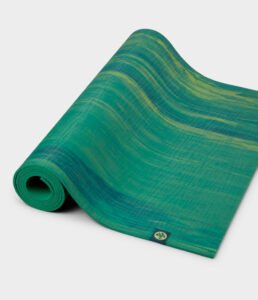
1. Manduka eKO Yoga Mat
Material: Natural rubber
Eco Features: Biodegradable, non-toxic, harvested sustainably
Pros:
- Excellent grip, even during sweaty sessions
- Dense cushioning for joint support
- Durable and long-lasting
Cons: - Heavier than other mats
- Slight rubber smell when new
The Manduka eKO series is a favorite among eco-conscious yogis who want performance and sustainability in one package. Made from responsibly harvested natural rubber, this mat offers superior traction and cushioning. It’s free from PVC, toxic plasticizers, and foaming agents. If you don’t mind a little extra weight, this mat is a solid investment.
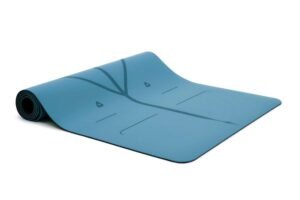
2. Liforme Yoga Mat
Material: Natural rubber with an eco-polyurethane top layer
Eco Features: Biodegradable materials, PVC-free
Pros:
- Exceptional grip in all conditions
- Alignment markers for posture guidance
- Comes with a yoga mat bag
Cons: - On the pricier side
- Slightly less cushioning than some thicker mats
Liforme mats are beloved for their innovative alignment system and unbeatable grip. The eco-polyurethane surface absorbs moisture, making it ideal for hot yoga. Plus, it biodegrades in about 1-5 years in normal landfill conditions, making it one of the most environmentally responsible mats on the market.
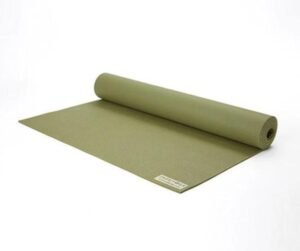
3. Jade Yoga Harmony Mat
Material: Natural rubber from rubber trees
Eco Features: Made in the U.S., tree planted for every mat sold
Pros:
- Great traction and cushioning
- Strong social and environmental mission
- Available in multiple lengths and colors
Cons:
Can wear out faster with intense use
Needs to be cleaned regularly to maintain grip
Jade Yoga combines sustainability with social responsibility. Not only is the mat made from natural rubber, but the company also plants a tree for every mat sold — over 2 million trees and counting. The Harmony mat is perfect for those who want a balance between grip, comfort, and contribution to a greener planet.
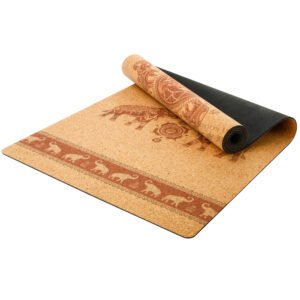
## 4. Meiyee Cork Yoga Mat
Material: Natural cork and TPE
Eco Features: Renewable materials, recyclable TPE base
Pros:
- Naturally antimicrobial surface
- Lightweight and easy to carry
- Great for hot yoga
Cons: - Cork can become slippery when dry
- Less cushioning for sensitive joints
Cork yoga mats are gaining popularity for their natural, earthy feel and antimicrobial properties. This Gaiam cork mat is a fantastic budget-friendly option made with renewable cork and TPE, making it lightweight and easy to transport. It’s particularly great for hot yoga, where a little sweat enhances the grip.
Final Thoughts
Choosing an eco-friendly yoga mat is a powerful way to align your practice with your values. Whether you prefer the grip of a polyurethane surface, the cushion of natural rubber, or the earthy feel of cork, there’s a sustainable mat for every yogi. By investing in one of these mats, you’re not only supporting your own health and wellness—you’re also doing good for the planet. 🌿