
Yoga mats are a staple for millions who follow physical and spiritual wellness routines across the globe. Yet, few stop to consider the daily rhythm of the factories that bring these mats to life. From buzzing machines to vigilant quality inspectors, let’s walk through a typical day inside a modern yoga mat factory and discover how precision, people, and purpose come together.
Morning: Material Preparation and Machine Setup
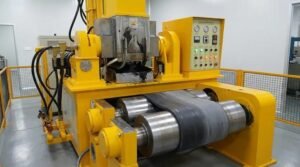
The day starts early in the production halls. Technicians conduct morning checks on heating units, extrusion lines, and cutting machinery to ensure everything is functioning optimally. At the same time, raw materials—including TPE pellets, natural rubber sheets, or innovative bio-based polymers—are unloaded and prepared for processing.
Operators feed raw material into extrusion machines where heat and pressure shape them into long flat sheets. In eco-conscious factories, even the smallest pieces of excess material are collected for reuse or recycling.
Midday: Craftsmanship Meets Automation
As the sheets cool, they enter the next phase—texturing and cutting. This is where the yoga mat becomes more than a simple slab. Engineers use digital embossers to apply ridges, wave patterns, and grip-enhancing designs while cutting bots trim each mat to exact dimensions. Factory software tracks production data in real time, minimizing error and maximizing throughput.
Some factories offer customization stations where buyers can add brand logos, colors, or environmentally inspired patterns. The precision and speed of these hybrid systems—blending human oversight with advanced robotics—ensure every mat meets brand and buyer expectations.
Afternoon: Inspection and Packing

The heart of any high-quality production lies in quality control. Inspectors look at each batch for imperfections: uneven thickness, warping, or weak grip layers. Grip tests, wear simulations, and scent evaluations help verify that each mat won't just perform well, but delight the end user.
For many yoga mat factories, afternoon hours are also when bulk orders are prepared for shipment. Teams carefully roll and wrap each mat, often using biodegradable or recycled materials. Whether shipping to boutique studios, global fitness brands, or eco-conscious retailers, presentation and protection matter.
Evening: Clean-Up and Sustainability Review
As the workday ends, factory staff clean machinery, inspect systems, and shut down efficiently. Sustainability officers may review waste patterns or oversee recycling initiatives to ensure production remains as green as possible. More advanced facilities log daily metrics tied to carbon output, water use, and material recovery rates.
Final Thoughts
A yoga mat factory isn’t just a place where products are made—it’s a finely tuned environment where resilience, relaxation, and respect co-exist. The people within these factories work with the awareness that they aren't simply manufacturing equipment—they’re supporting a lifestyle and a philosophy.
Next time you roll out your mat, remember the teamwork, care, and responsibility packed into its every fiber. It’s more than gear—it’s a piece of wellness, powered by intention.