
A yoga mat factory is more than a production facility; it’s where comfort, safety, and sustainability come together to create the foundation for a healthy practice. Modern practitioners expect mats that provide reliable grip, consistent cushioning, and long-lasting performance, and a well-run factory is where those expectations become reality.
Control material
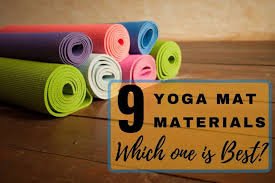
At the heart of a quality yoga mat factory are smart material choices and rigorous quality control. Manufacturers commonly work with materials such as TPE (thermoplastic elastomer), natural rubber, PVC, and EVA foam. Each material brings its own balance of grip, resilience, and environmental impact. Leading factories invest in sourcing non-toxic, low-odor raw materials and in processes that reduce waste and emissions. Precision in mixing, calendaring, and embossing ensures that surface texture and thickness stay consistent across every batch — critical for users who depend on predictable traction and cushioning during poses.
Design and customization are other vital capabilities.
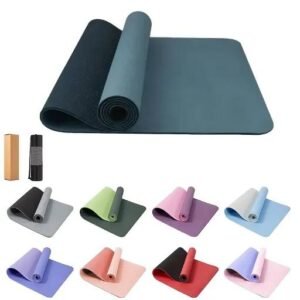
A competitive factory provides flexible tooling for different thicknesses, widths, and surface patterns, and can apply printed artwork, eco-friendly dyes, or textured patterns that enhance grip. Packaging and accessory options — such as straps, carrying bags, and recyclable boxes — are often offered to help brands present a complete product that appeals to customers and retail partners.
Certifications
Sustainability and certifications also shape modern manufacturing. Factories that pursue ISO standards, OEKO-TEX, SGS testing, or other third-party verifications demonstrate commitment to product safety and environmental responsibility. Energy-efficient machinery, solvent-free adhesives, and recycling programs for offcuts help reduce environmental footprints and meet growing consumer demand for greener products.

One name that stands out in the field is Ningbo MEIYEE. Known for combining advanced manufacturing with attentive design, Ningbo MEIYEE yoga mat production emphasizes durability, consistent non-slip surfaces, and responsible material sourcing. Their facility integrates stringent quality inspections at every stage, from raw material testing to final finishing, ensuring each mat meets high performance standards. Many brands choose Ningbo MEIYEE for its reliable lead times, customization flexibility, and willingness to support small-batch orders as well as large runs — an advantage for startups and established companies alike.
Finally, a strong factory fosters collaboration with brands and designers. When manufacturers like Ningbo MEIYEE work closely with clients, they help translate creative concepts into practical, manufacturable products while advising on material trade-offs, cost optimization, and compliance. The result is a yoga mat that not only looks and feels great but also performs consistently and responsibly through countless practices.
Conclusion
The yoga mat factory plays a pivotal role in delivering the essentials of a good practice: safety, comfort, and sustainability. Manufacturers that combine technical expertise, quality systems, and close customer collaboration — such as Ningbo MEIYEE — are well placed to supply the mats that practitioners trust.