
Whether you’re attending your first yoga class or you’ve been practicing for years, one piece of gear can make a big difference in how your practice feels: your yoga mat. A good mat supports your body with cushioning, stability, and grip—helping you move safely and confidently through every pose.
Let’s walk through how to choose the right mat and how to use it properly.
Why a Good Yoga Mat Matters
A yoga mat isn’t just for comfort—it creates your personal space for movement, breath, and focus. During floor-based poses, it helps cushion your joints and supports alignment. Meanwhile, the right grip helps you hold postures without slipping, so you can stay present and reduce the risk of injury.
In short, the right mat can improve your stability, comfort, and overall experience.
Key Factors to Consider When Choosing a Yoga Mat
1. Material
Different materials feel different and perform differently:
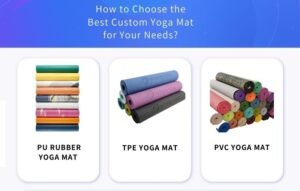
- PVC (Vinyl): Durable and affordable, but less eco-friendly.
- TPE: Lightweight and more environmentally friendly than PVC; often easier to carry.
- Natural Rubber: Offers excellent grip and cushioning, but may not be ideal if you have latex allergies.
- Cotton or Jute: More breathable and natural in feel, with an organic, textured surface.
2. Thickness
Thickness affects comfort and stability:
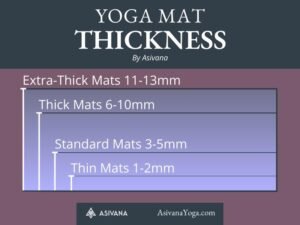
- 3–5 mm (Standard): Works for most people and most styles of yoga.
- 6 mm or more (Thick): More cushioning for restorative yoga or if your knees and joints need extra support.
- 1–2 mm (Thin): Lighter and more portable; best if you prefer feeling close to the floor.
3. Texture and Grip
Your mat’s surface determines traction:
- Tacky or textured surfaces help prevent slipping.
- If you sweat a lot, look for mats designed to manage moisture, or use a yoga towel on top for extra grip.
4. Size
Most yoga mats are about 68–72 inches long. If you’re taller, choose an extra-long mat so your full body stays supported in every pose.
5. Eco-Friendliness
If sustainability matters to you, consider mats made from renewable or biodegradable materials, such as:
- natural rubber
- cork
- organic cotton
Best Practices for Using Your Yoga Mat
Clean Regularly
Wipe your mat after each session to remove sweat and dirt. Use a gentle cleaner or a simple water + vinegar solution (if compatible with your mat’s material).
Store Correctly
Roll your mat with the top (practice) side facing out. This helps prevent edge curling and keeps the mat flatter for your next session.
Practice on the Right Surface
Use stable, non-slip floors such as:
- wood
- tile
Avoid soft or unstable surfaces like carpet, which can reduce grip and support.
Use the Correct Side
Most mats have a top and bottom. The top side usually provides better grip—so make sure it’s facing up during practice.
Final Thoughts
Choosing the right yoga mat is personal. The best option is the one that matches your body, your yoga style, and your preferences—especially around comfort, support, grip, and sustainability.
A well-chosen mat helps you feel grounded and secure, so you can move with ease, breathe with intention, and enjoy your practice more fully.