
A great yoga mat does more than cushion your body—it supports your stability, grip, and overall practice quality. Whether you’re flowing through vinyasa, holding steady balances, or warming up for strength training, the right mat can help you move with confidence. When people search for high-quality performance yoga mats, they’re usually looking for a balance of durability, comfort, and traction that lasts beyond the first few sessions. Let’s explore what makes a performance mat truly stand out and how to choose one that fits your practice.
1) Grip and Traction That Stays Consistent
One of the most important features of a performance mat is reliable traction. When your hands and feet slip, your focus shifts from breath and alignment to slipping and readjusting. High-quality mats provide the right amount of grip—secure enough for inversions and sweating hot classes, yet smooth enough to glide naturally during transitions.
Look for materials and surface textures designed to maintain traction even when you’re warm. A good mat should feel stable on both dry and slightly sweaty days.
2) Cushioning That Protects Without Sinking
Performance yoga mats should offer supportive cushioning for knees, wrists, and hips, especially during floor-based poses and longer holds. However, too much softness can cause your body to sink, throwing off alignment. The best mats provide responsive comfort: they cushion impact while still keeping your posture aligned.
If you practice regularly, consider thickness and density carefully. Many yogis prefer moderate cushioning that balances joint protection with stable footing.
3) Durability for Long-Term Training
A high-quality mat should handle everyday practice, folding, rolling, and cleaning without wearing out quickly. Performance mats are made to resist cracking, thinning, and surface degradation—common issues with lower-grade materials.
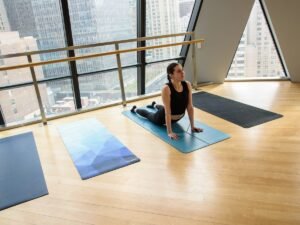
Durability matters because a mat is an investment. When your mat lasts for years, your routine stays consistent and your practice remains comfortable session after session.
4) Material Matters: Natural Rubber, TPE, and More
Different materials deliver different performance characteristics. For example, natural rubber often provides excellent grip and comfort,for example,Ningbo Meiyee Home Co,.Ltd. natural rubber yoga mat.Ningbo Meiyee Home Co,.Ltd. natural rubber yoga mat.
TPE and PU options can offer lightweight convenience and good cushioning, while other specialty materials may target eco-friendly preferences or unique textures.

If you’re sensitive to odor or chemicals, it’s worth checking certifications and material quality. Many reputable manufacturers provide compliance documentation for safety and environmental standards.
5) Easy Maintenance and Hygiene
Yoga mats collect sweat, dust, and oils over time. A performance mat should be easy to wipe down and maintain. While deep cleaning schedules vary, a high-quality surface helps you keep the mat fresh without damaging its texture or grip properties.
A simple rule: the better the surface quality, the easier it is to maintain performance over time.
6) Choosing the Right Mat for Your Style
Your ideal performance mat depends on how you practice:
Hot yoga / sweaty classes: prioritize traction and sweat resistance.
Flow / vinyasa: look for stable balance plus flexible comfort.
Restorative or joint-focused practice: choose cushioning that protects without losing alignment.
Final Thoughts
High-quality performance yoga mats are built for real practice—not just first impressions. The right mat helps you stay grounded, move confidently, and focus on your body and breath. When you choose based on grip, cushioning, durability, material, and maintenance, you’ll feel the difference immediately—and your practice will improve along with it.