
The surge in personalized, artist-designed yoga mats has reshaped the industry. Today’s consumers don’t just want functional equipment—they want mats that express individual style and reflect personal values. However, creating printed yoga mats that are both visually complex and built to last is far from simple. In modern manufacturing, producing high-quality printed mats requires a balance of science, advanced technology, and skilled visual craftsmanship.
Production begins in the pre-production phase, where high-resolution artwork is refined for printing. Designers collaborate with engineers to ensure that the image aligns properly with the mat’s shape and surface texture. At this stage, the factory also determines the most suitable printing method based on the mat material and the complexity of the design.
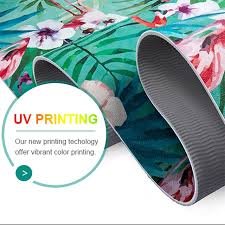
For instance, mats made from TPE or natural rubber may use techniques such as UV printing or sublimation. These approaches help maintain vibrant colors and keep graphics crisp even after frequent use and regular cleaning. UV printing is especially popular because it uses durable, often more eco-conscious inks, dries quickly, and delivers strong long-term performance.
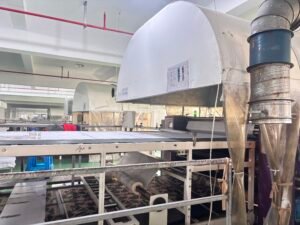
A major manufacturing challenge is maintaining consistent print quality during mass production. This demands state-of-the-art printing equipment with reliable ink control and tight temperature regulation. Factory teams must calibrate machinery regularly to prevent issues like color variation, fading, or misalignment—ensuring that every mat matches the original artwork.
After printing, mats undergo performance testing to verify durability and suitability for real-world use. Engineers evaluate abrasion resistance, colorfastness, and flexibility. To confirm longevity, the factory may simulate everyday conditions such as rolling, stretching, and repeated cleaning to ensure the printed design remains intact over time.
Beyond performance, sustainability is becoming a central priority. Many factories are increasingly adopting water-based inks, using recyclable packaging materials, and implementing energy-efficient production systems to reduce environmental impact.
In summary, a printed yoga mat is no longer merely a fitness accessory. It represents a product of modern factory innovation—where artistic expression is supported by engineering precision. From design preparation to durability testing, every step is optimized to deliver a mat that is both beautiful and built for dependable performance.