
A yoga mat is more than a piece of equipment—it’s a foundation for movement, breath, and comfort. Whether you’re flowing through sun salutations at home, practicing gentle restoration after work, or training with discipline at a studio, the surface beneath you shapes how the body feels. That’s where Ningbo Meiyee Home Company comes in. As a yoga mat factory, it focuses on producing mats that support real practice: reliable grip, comfortable cushioning, and a design that’s made to withstand repetition.
In many ways, a yoga mat factory is a behind-the-scenes partner for yogis everywhere. The end user may notice softness, traction, and thickness—but the factory experience determines whether those qualities stay consistent from one mat to the next. Ningbo Meiyee Home Company’s role is to turn raw materials into dependable tools for daily movement.
Practical Design for Different Types of Practice
Yoga is not one-size-fits-all. Some practitioners prefer a stable mat with firm support for standing poses; others want a softer feel for seated work or longer stretching sessions. There are also variations in mat needs depending on the environment—heated studios, outdoor practice, or home spaces where stability matters on smooth flooring.
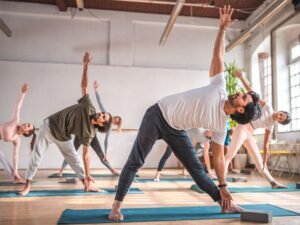
A factory producing yoga mats must account for these differences while keeping production efficient and consistent. That includes choosing the right surface texture for grip, shaping the cushioning to support joints, and ensuring the mat holds its form over time. Ningbo Meiyee Home Company’s manufacturing process reflects the reality that customers want comfort and performance that don’t disappear after a few weeks of use.
Materials and Quality Control: Comfort That Lasts
The feel of a yoga mat comes from its materials and construction. The top surface should help prevent slipping while still allowing movement to feel natural. The underside should stay in place and reduce unwanted sliding that can distract or disrupt practice.
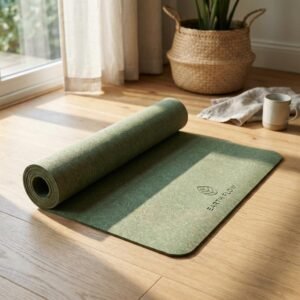
From a manufacturing perspective, quality control is essential. Yoga mats go through many stages: cutting or forming the material, bonding layers (where applicable), finishing edges, and checking durability. Even minor issues—like uneven thickness or inconsistent surface texture—can affect how a mat performs during balance-heavy poses.
That’s why a yoga mat factory must treat quality as a process, not just a final step. Ningbo Meiyee Home Company’s focus on repeatability helps ensure that each mat feels like a dependable companion for practice, whether it’s your first mat or your fifth.
Built for Home Practice and Studio Demand
Yoga mat demand comes from many sources. Individuals buy mats for daily practice. Studios need reliable supplies for classes and students. Fitness stores stock popular designs that customers can quickly try and feel confident using.

Because Ningbo Meiyee Home Company operates as a yoga mat factory, it can meet the needs of different customers who share one goal: a mat that performs. The versatility of yoga makes mats a staple item—used in bedrooms, living rooms, gyms, and community spaces—so manufacturing reliability becomes especially valuable.
The Quiet Importance of a Good Mat
At the end of the day, yoga is about connection—between breath and body, effort and ease. A good mat supports that connection by giving the body stability, comfort, and confidence. Ningbo Meiyee Home Company helps bring that support to life through consistent manufacturing and a product mindset focused on everyday practice.
So the next time you step onto your mat, remember: behind that single moment of balance and focus is a factory built to deliver the foundation you need.