
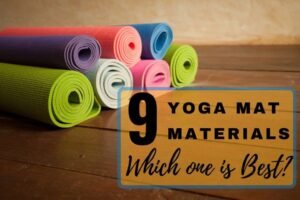
Choosing the right yoga mat can feel surprisingly personal. After all, a mat isn’t just a surface—it’s your comfort, stability, and support for every downward dog, plank, and restorative pose. The “best” mat depends on how you practice, what you need from your body (and joints), and even the space you practice in.
Start with your practice style
First, think about the type of yoga you do most often. If you practice hot yoga or tend to sweat a lot, you’ll want a mat with strong grip and sweat resistance. Many practitioners do best with rubber or performance-oriented non-slip materials designed to stay tacky even when damp.
If you practice vinyasa flow, where you transition quickly and frequently shift your weight, you need a mat that balances cushion and stability. A medium-thickness mat (often around 4–6 mm) is a popular sweet spot—comfortable enough for knees and wrists, but not so soft that you sink and lose alignment.
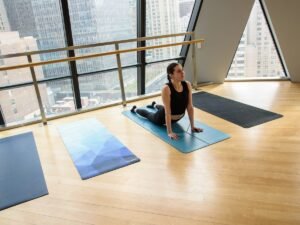
For gentle, restorative, or yin yoga, cushioning matters more than bounce. Look for a thicker mat or even a mat designed for support under long holds. A supportive, grippy surface helps you relax without feeling like you’re fighting for balance.
Material matters: comfort vs. grip vs. cleanup
Material is one of the biggest differences between mats. Natural rubber offers excellent traction and durability, especially for active practices. TPE (thermoplastic elastomer) mats can be lightweight and comfortable, but they may wear faster than rubber depending on quality and frequency.
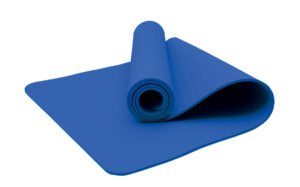
Foam-style mats are often very comfortable, but can feel less stable for balance-heavy styles. If you’re prone to slipping, consider a mat marketed for high-grip use.
Also consider how easy your mat is to care for. If you’re practicing regularly at home or in a studio, you’ll want a mat that wipes down effectively and doesn’t develop odors quickly.
Thickness: a simple guideline
Thickness is where many people make tradeoffs. Thicker mats are generally more forgiving for joints, but overly cushioned mats can make it harder to feel grounded during standing poses. If you’re using the mat for mostly floor-based work, go thicker. If you want stability for balance and core strength, stay moderate.
The “best” mat is the one that fits you
Ultimately, the best yoga mat is the one that matches your body, your style, and your routine. If you’re unsure, choose based on your biggest pain point: slipping, discomfort, or lack of support. Test your mat by practicing a few key poses—especially transitions and holds.
A great mat won’t just protect you; it will help you practice with confidence. And when you feel stable and comfortable, you can focus on your breath, your form, and the experience—whether you’re flowing or resting.